
/ Japanese
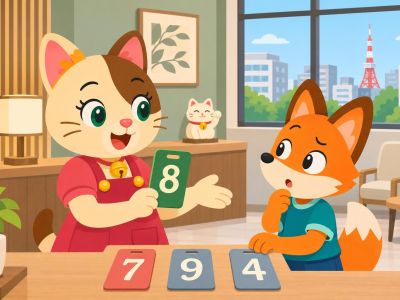
Which numbers are lucky or unlucky in Japan?
Why is 8 lucky in Japan, while 4 and 9 are often avoided? Explore how kanji and pronunciation shape these cultural beliefs.

Why is 8 lucky in Japan, while 4 and 9 are often avoided? Explore how kanji and pronunciation shape these cultural beliefs.
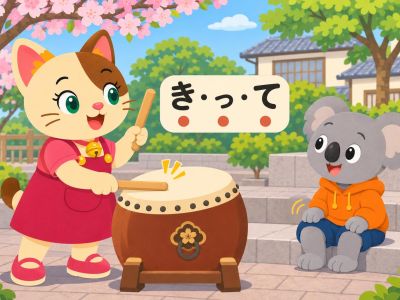
Five rules for counting morae and hearing how sound length can change a word's meaning in Japanese.
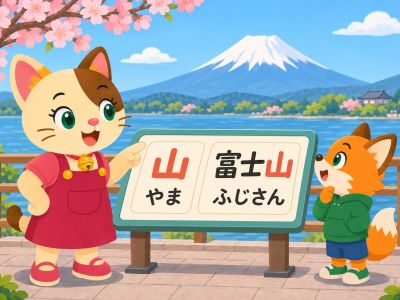
Why can the same kanji have different pronunciations? Discover how kun'yomi and on'yomi work, with examples that show why learning whole words makes a difference.

Learn how to express "I want to" and "I would like to" in Japanese with 〜たいです, and how to make it negative, with examples and readings.

One captures nature; the other explores everyday life. Discover what sets haiku and senryū apart, with Japanese poems, readings and English translations.

Faced with a toilet panel full of unfamiliar buttons? Learn what the Japanese labels mean, from wash settings and heated seats to the all-important flush button.

Listen or hear? Do or play? Discover how context shapes the meaning of Japanese verbs, with examples that show why one translation isn't always enough.
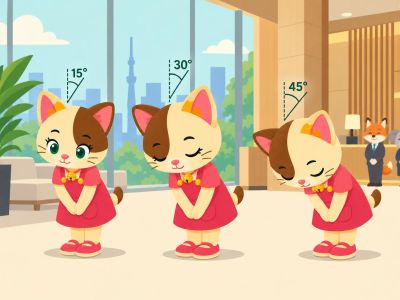
In Japan, the way you bow depends on the situation and the level of respect you want to show.
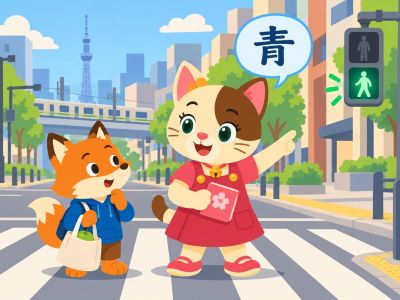
In a word, yes. In Japan, we sometimes use 青【あお, ao】, which usually means "blue," for things that many other languages would call green.

Cleaning is not treated as a punishment, but as an everyday activity. And when you do something every day from an early age, it eventually becomes a habit and feels like a totally normal part of life.
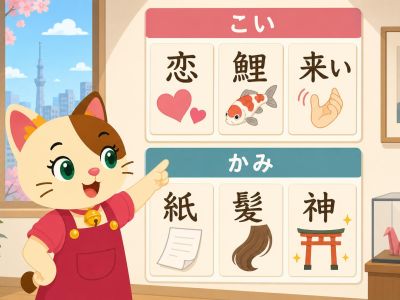
When you first start learning Japanese, one of the biggest surprises is that some words can sound exactly the same yet have completely different meanings. Kanji help make these differences immediately clear.
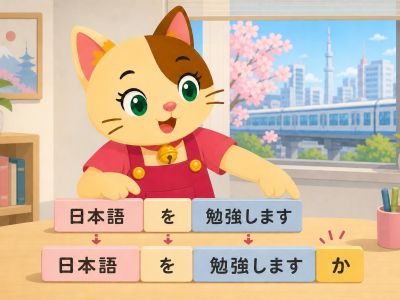
In Japanese, yes-or-no questions usually follow the same basic word order as affirmative sentences. In polite speech, you simply add the particle か 【ka】 to the end of the sentence.